

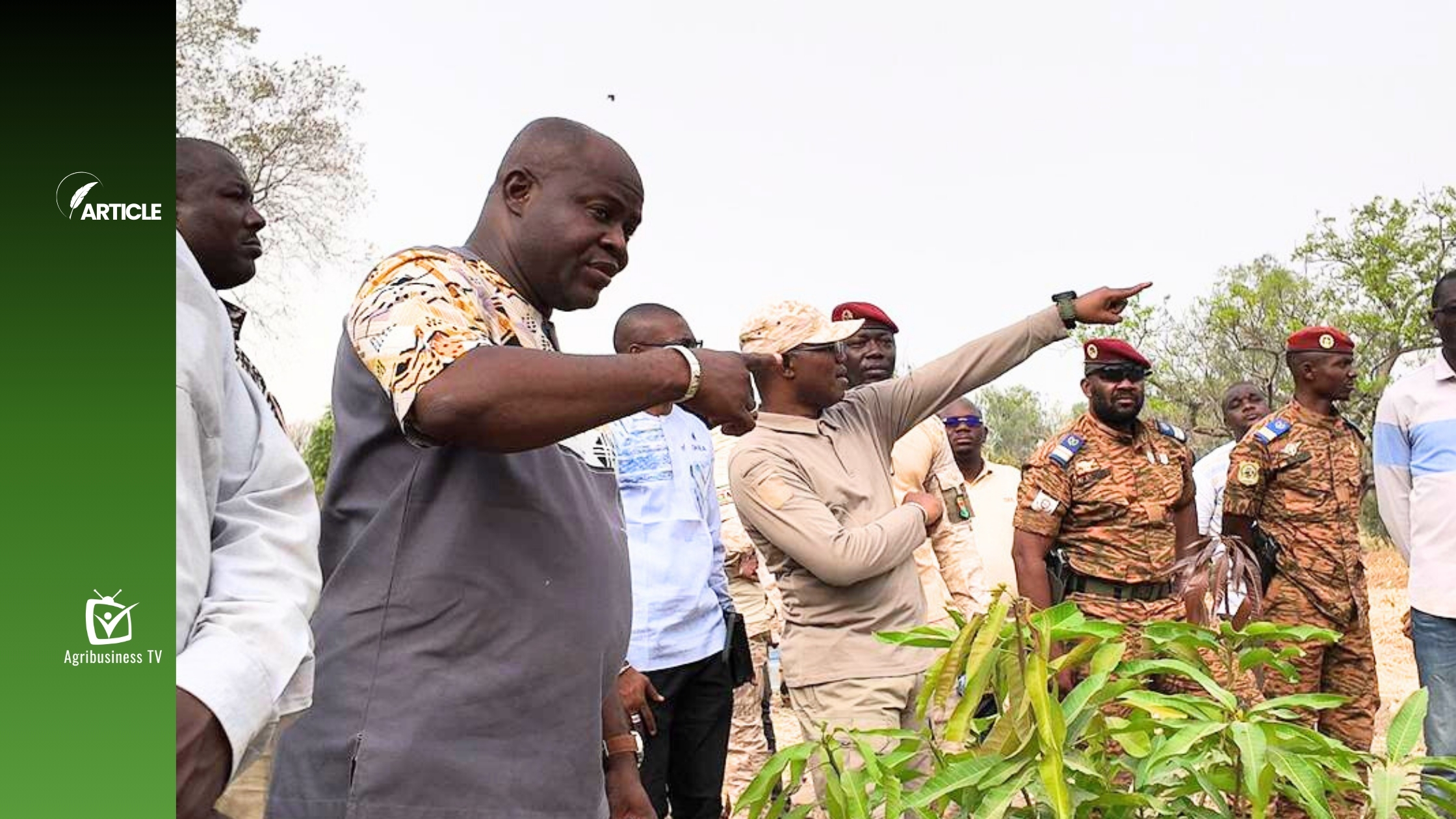
On Saturday, 28 February 2026, the Minister of State for Agriculture, Water, Animal and Fisheries Resources, Commander Ismaël SOMBIE, conducted a follow-up visit to the dry season campaign in the Nazinon region. The aim of this mission was to assess the progress of work on agricultural production sites.
In Zaptinga, in the commune of Gogo, Commander Ismaël SOMBIE was able to see the commitment of the local population to the development of a 30-hectare lowland area dedicated to rice cultivation. This initiative is supported by the Ministry through an innovative community-based approach called “Tin Toa Soani”, an expression that means “let’s develop together” in the Gulmancema language.
This participatory approach, promoted by the Department of Agriculture, aims to create genuine synergy between the various actors involved in rural development. It brings together technicians who provide their technical expertise, consulting engineers responsible for strategic support, and local producers, who are the main beneficiaries of the developments.
In the field, local communities, with the support of technicians, are implementing water and soil conservation techniques. Commander Ismaël SOMBIE praised the strong mobilisation of the inhabitants and expressed his satisfaction with the efforts made.
“I am very pleased with your commitment to this project. Once properly developed, this lowland area will enable you to grow rice during the rainy season. We will also install boreholes to promote market gardening during the dry season and support livestock farming. The aim is to enable you to provide for your families and ensure your children can attend school.”
Speaking on behalf of the inhabitants, the Chief of Zaptinga village welcomed the Minister’s visit and highlighted the difficulties faced by the population, particularly the distance between water sources and farming areas, a situation that makes agricultural activities difficult. In his view, the development of the lowlands is an important solution for improving production conditions and alleviating the constraints faced by farmers.
A strategic dam to support agricultural production
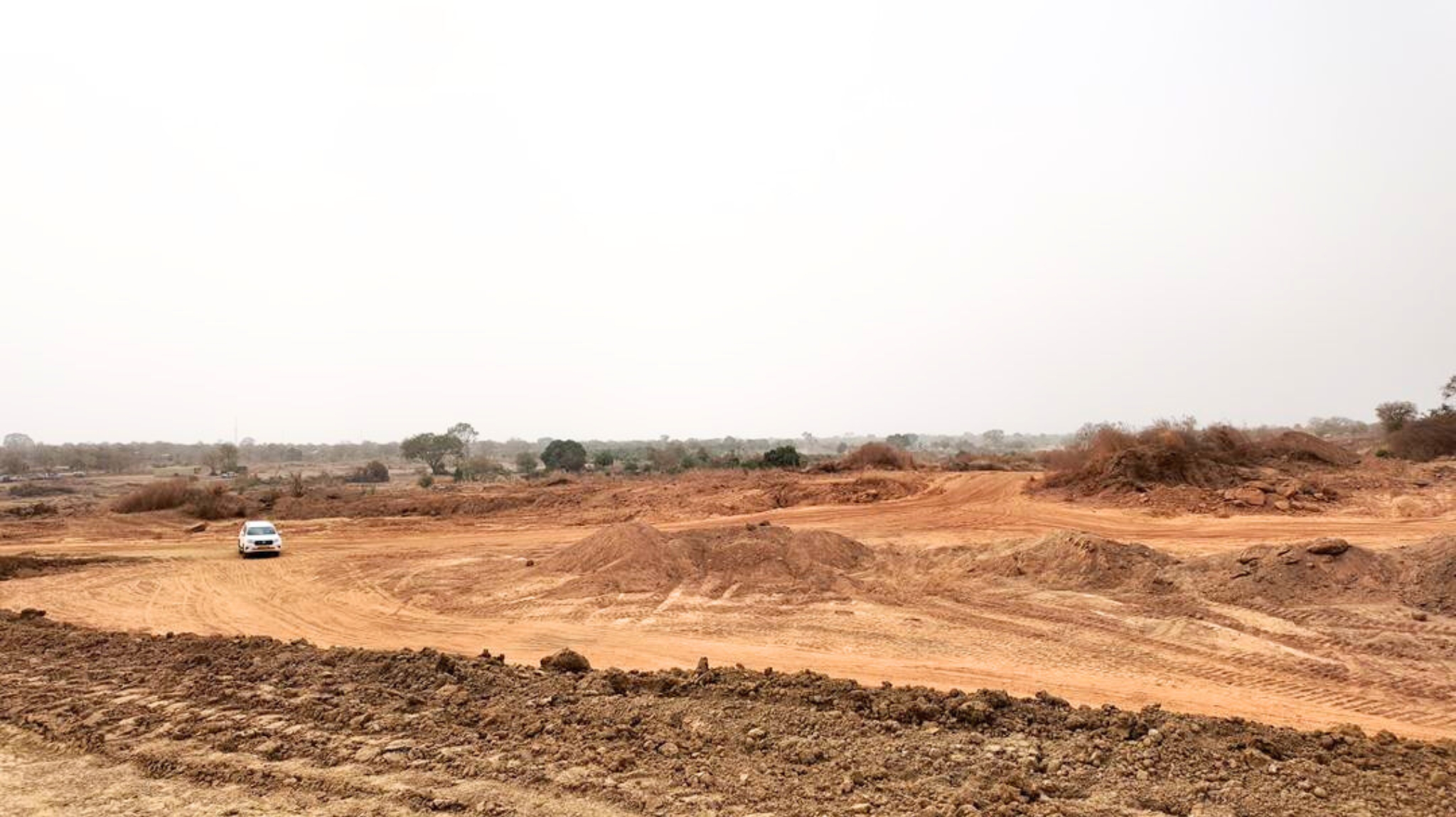
The Pô Kapro dam construction site, currently under construction.
After Zaptinga, the Minister visited the Pô Kapro dam construction site to see for himself how work was progressing. The project is being carried out by the National Office for Dams and Hydro-Agricultural Development (ONBAH).
Scheduled for completion in June 2026, the project is currently 35.80% complete, with 35.71% of the time elapsed. Once completed, the dam will have a storage capacity of 810,647 m³ of water and a total length of 695.41 metres. This dam should help to secure the water supply, promote groundwater recharge, support livestock farming and improve the socio-economic conditions of the beneficiary populations.
For the Minister, the expected impact of this infrastructure is particularly significant in social and agricultural terms.
“The social and agricultural impact is quite significant. Off-season production on 10 hectares is already a significant source of wealth for the local populations. We must commend the support that the project has received, both from traditional leaders and from the local populations, who have taken ownership of the project and welcomed it with a positive attitude,” he emphasised.
Other agricultural infrastructure visited
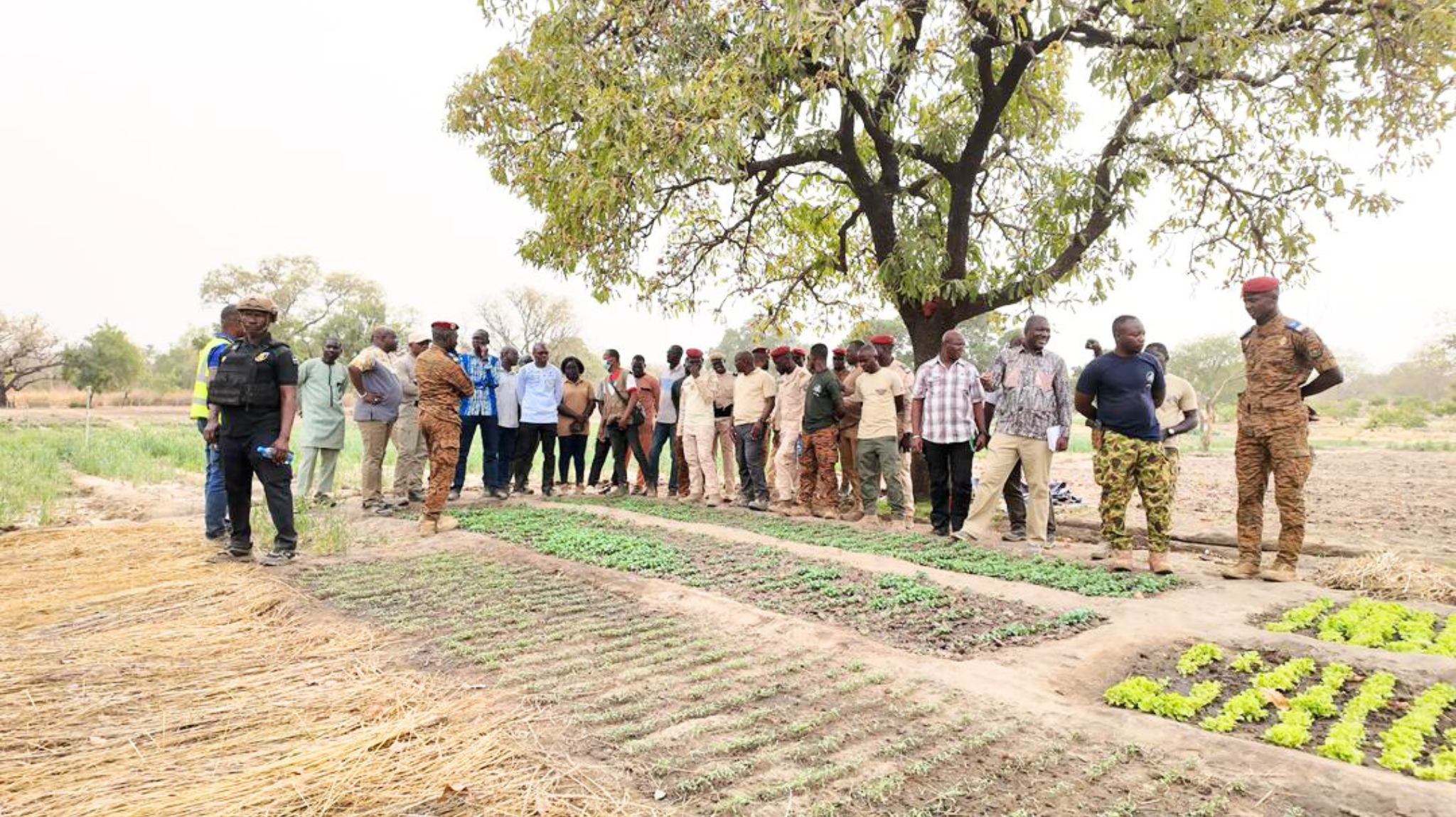
Visit by the Minister to the landscaped garden of the National Commando Training Centre (CNEC) in Pô.
The Minister’s tour also took him to the National Commando Training Centre (CNEC) in Pô, where an eight-hectare garden is being cultivated. There, he praised the commitment of those involved in developing this space dedicated to agricultural production.
During this mission to monitor the dry season, Commander Ismaël SOMBIE also visited the Gonsé dam cleaning site in the commune of Koubri, located in the Kadiogo region. This operation aims to increase the storage capacity of the dam and improve the availability of water for agricultural activities.
Patricia Fourouwié Aissa COULIBALY
