

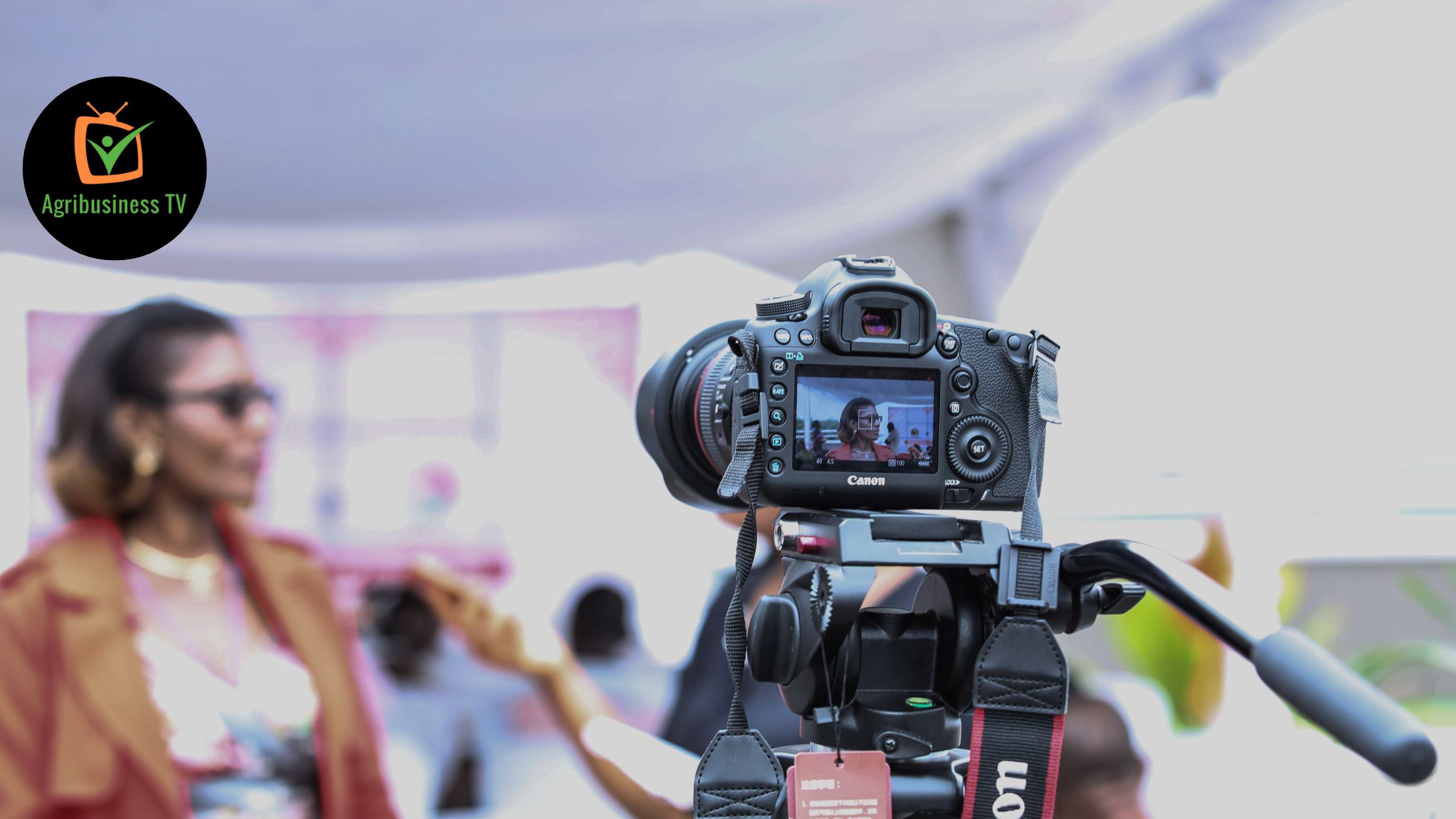
I’ve been a multimedia journalist at Agribusiness TV for almost a year now. It’s been an exciting adventure. I’m lucky enough to be able to travel all over Burkina Faso. Discovering the young men and women who are shaping Burkina Faso’s agriculture of today and tomorrow.
Your comments, likes and shares when each video is broadcast give me a boost. But some of the realities on the ground can be demotivating.
Indeed, more and more people, young people in particular, given that this is our primary target, are demanding to be paid to be interviewed. You go to a given locality in Burkina Faso, you ask to meet a few young people to talk to them about their daily lives, the challenges they face as young people in that particular area, their dreams and ambitions as young people, etc., and instead of seeing the opportunity you’re offering them to express themselves, some of them ask you if they’ll be paid for it.
A disconcerting attitude
What’s worse, entrepreneurs who had to pay for us to promote them, some of them ask us if we come and film their entrepreneurial activities so that they can finance them or provide them with equipment later on. As far as I know, that’s not the role of the media. Perhaps those who think that way don’t know what a media outlet’s role is.
“What’s in it for us in the long term or the short term?” “Journalists have already come to interview us and film our activities, and we’ve told them about them. But we’ve had nothing in return, and our situation hasn’t changed to this day”. “It’s a project?” “Oh, so to meet the young people, we have to provide envelopes for them?” These are phrases I’m used to hearing.
Il faut un changement de mentalité
I try to make them understand that we are a media organisation, not an NGO or a project, and that our aim is not to fund anyone. Some of them understand, but others say that if that’s the case, there’s nothing to be gained by giving us their time to answer our questions. It’s a shame for young people who aspire to change. One might even wonder where this way of thinking comes from? Is it poverty that makes them think like that? It’s true that we go into business to make money, but our behaviour should not be guided by the love of money. If other entrepreneurs are delighted when I contact them to do a report on their entrepreneurial journey without asking what they are going to earn in return in terms of money, it is inconceivable that there are black sheep.
Yenntéma Priscille OUOBA
